


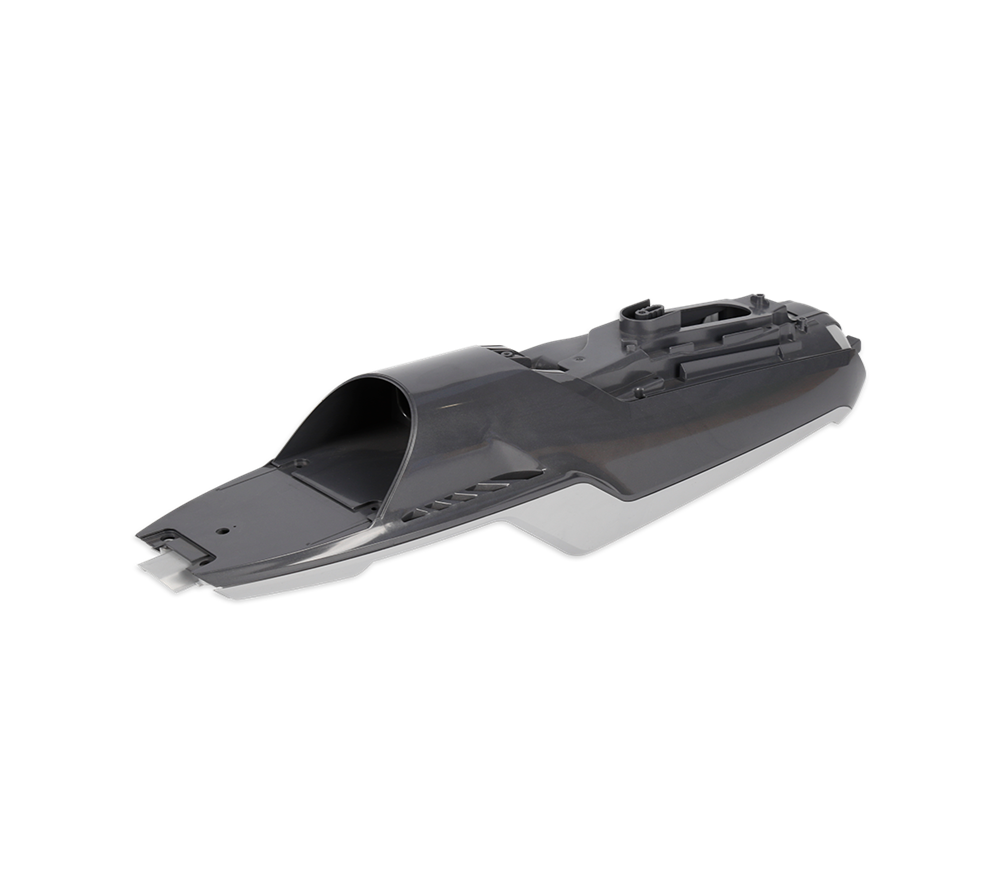
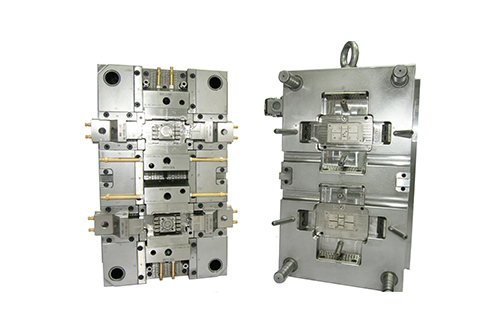
Stack injection molds are a specialized type of injection molding tool that offers several advantages over traditional single cavity molds. These molds are designed to increase production efficiency by allowing multiple cavities to be filled simultaneously from a single injection unit.
Introduction
In this article, we will explore the manufacturing process of stack injection molds, including design considerations, material selection, machining techniques, and assembly procedures.
I. Design Considerations
A. Product Requirements
The first step in manufacturing a stack injection mold is to understand the product requirements. This includes the size, shape, and tolerances of the part to be molded, as well as the production volume and cycle time requirements. The design of the mold must be optimized to meet these requirements while also ensuring ease of use and maintenance.
B. Mold Layout
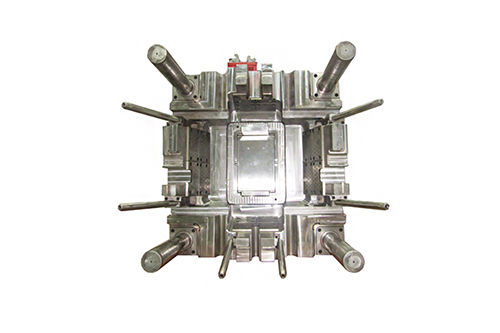
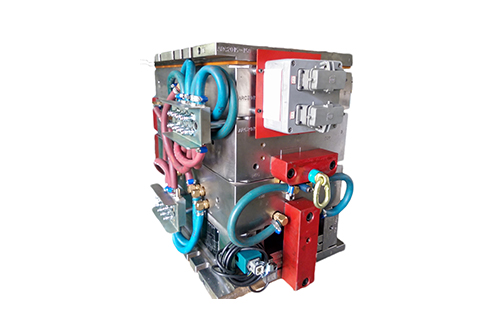
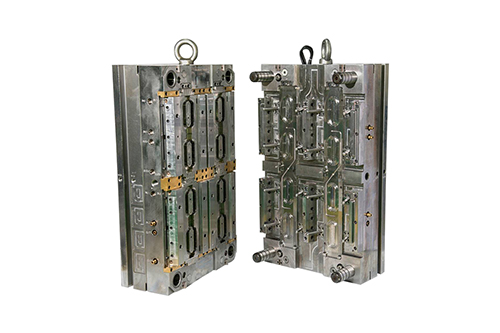
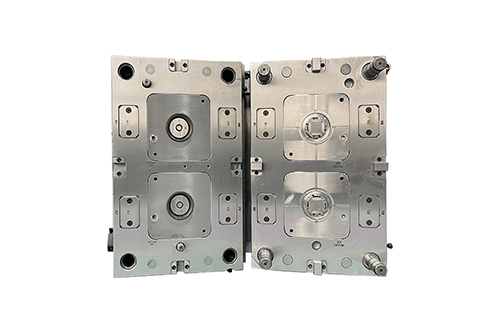
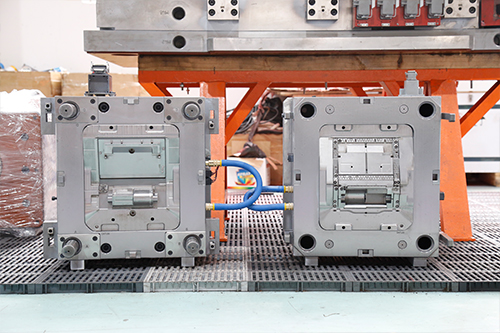
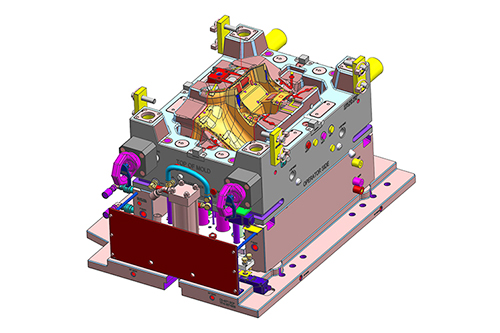
The layout of a stack injection mold typically consists of two or more platens stacked on top of each other. Each platen contains one or more cavities and a runner system to distribute the molten plastic to the cavities. The design of the runner system is critical to ensure even filling of all cavities and minimize pressure drop and material waste.
C. Cooling System
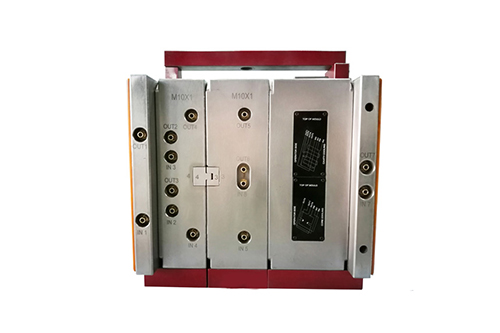
Proper cooling is essential for efficient injection molding. Stack injection molds require a complex cooling system to ensure uniform cooling of all cavities and prevent warping and distortion of the molded parts. The cooling system may consist of water channels, baffles, and heat exchangers, depending on the size and complexity of the mold.
D. Ejection System
The ejection system is responsible for removing the molded parts from the cavities. In stack injection molds, the ejection system must be designed to operate smoothly and reliably, even with multiple cavities and complex part geometries. This may involve the use of multiple ejector pins, stripper plates, and other components.
II. Material Selection
A. Mold Base
The mold base is the structural foundation of the stack injection mold and must be made from a strong and durable material. Common materials for mold bases include steel alloys such as P20 and H13, which offer excellent strength, hardness, and wear resistance.
B. Cavity and Core Materials
The cavity and core inserts are the parts of the mold that come into contact with the molten plastic and determine the shape and surface finish of the molded parts. These inserts are typically made from hardened steel alloys such as S136 or NAK80, which offer high hardness, wear resistance, and corrosion resistance.
C. Runner and Gate Materials
The runner and gate system is responsible for delivering the molten plastic to the cavities. These components are typically made from materials such as hardened steel or brass, which offer good wear resistance and flow characteristics.
D. Cooling System Materials
The cooling system components such as water channels and heat exchangers are typically made from materials such as copper or stainless steel, which offer good thermal conductivity and corrosion resistance.
III. Machining Techniques
A. Computer Numerical Control (CNC) Machining
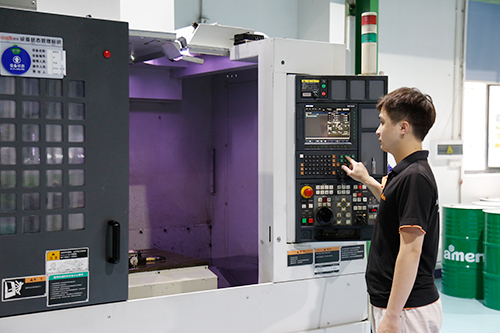
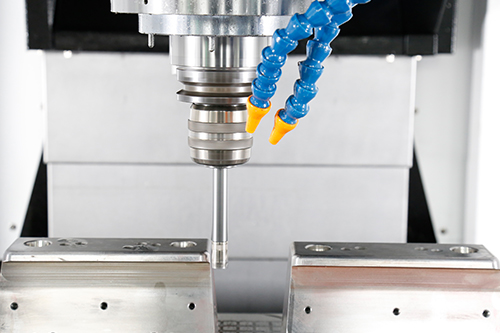
CNC machining is a common technique used in the manufacturing of stack injection molds. This process involves using computer-controlled machines to cut and shape the mold components with high precision. CNC machining can be used to create complex geometries and tight tolerances, ensuring a high-quality mold.
B. Electrical Discharge Machining (EDM)
EDM is a process that uses electrical discharges to remove material from the mold components. This technique is often used to create complex shapes and fine details that cannot be achieved with traditional machining methods. EDM can be used to create cavities, cores, and other mold components with high accuracy.
C. Wire EDM
Wire EDM is a specialized form of EDM that uses a thin wire electrode to cut through the mold components. This technique is particularly useful for creating complex shapes and tight tolerances in hard materials. Wire EDM can be used to create intricate cavities and cores with high precision.
D. Grinding and Polishing
Grinding and polishing are important finishing processes that are used to achieve a smooth surface finish on the mold components. These processes can be used to remove any roughness or imperfections left by machining and ensure that the molded parts have a high-quality surface finish.
IV. Assembly Procedures
A. Mold Base Assembly
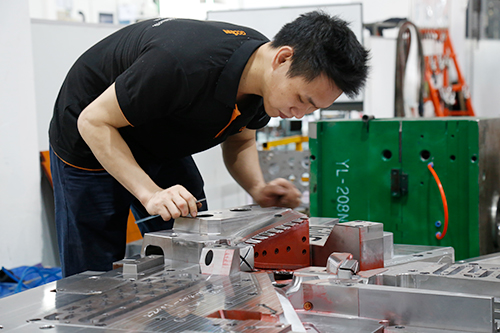
The mold base is assembled first by bolting together the various plates and components. The alignment and flatness of the plates are critical to ensure proper operation of the mold. Any misalignment can lead to problems such as part ejection difficulties or uneven cooling.
B. Cavity and Core Insert Installation
The cavity and core inserts are then installed into the mold base. These inserts are typically held in place by screws or dowels and must be accurately aligned to ensure proper part formation. The runner and gate system is also installed at this stage.
C. Cooling System Installation
The cooling system components such as water channels and heat exchangers are installed next. These components must be properly connected and tested to ensure that there are no leaks and that the cooling system is functioning properly.
D. Ejection System Installation
The ejection system is installed last. This includes the ejector pins, stripper plates, and other components. The ejection system must be adjusted and tested to ensure that it operates smoothly and reliably.
V. Quality Control and Testing
A. Inspection and Measurement
Throughout the manufacturing process, the stack injection mold is inspected and measured to ensure that it meets the required specifications. This includes checking the dimensions, tolerances, and surface finish of the mold components. Advanced inspection techniques such as coordinate measuring machines (CMMs) and optical comparators may be used to ensure accurate measurements.
B. Mold Trial
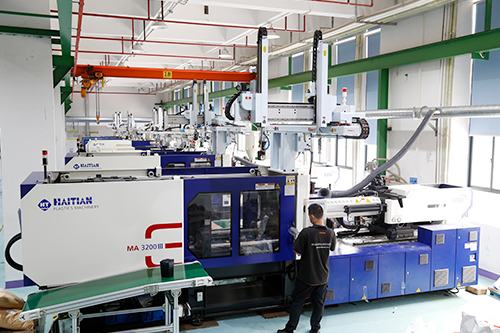
Once the mold is assembled, a mold trial is conducted to test its performance. This involves running the mold on an injection molding machine and evaluating the quality of the molded parts. Any issues such as short shots, flash, or warping are identified and addressed before the mold is put into production.
C. Maintenance and Repair
Regular maintenance and repair are essential to ensure the longevity and performance of the stack injection mold. This may include cleaning, lubricating, and replacing worn or damaged components. Any repairs or modifications must be done carefully to ensure that the mold continues to meet the required specifications.
Conclusion
Stack injection mold manufacturing is a complex and specialized process that requires careful design, material selection, machining techniques, and assembly procedures. By following these steps and implementing strict quality control measures, manufacturers can produce high-quality stack injection molds that meet the needs of their customers. With the increasing demand for high-volume production and complex part geometries, stack injection molds are becoming an increasingly important tool in the injection molding industry.

Provide free proofing service

0755-23244922 / 23400063

7*24 full service

Video live demonstration

 Phone: 18682296751
 Fax: 0755-23249890
 Email: Market@godemold.com / GDM@godemold.com
 ShenZhen Add: No7 floor,Building C,IdeeMonto Park, MaTian street, GuangMing district,ShenZhen,China. 518106
DongGuan Add: 1-2 floor,No4 building,YuYunSmart Industrial Park,10 DaKan XiLong Road HuangJiang town, DongGuan, China. 523750


Molds

Products
About Us
Support
Technology Center
Manufacturing Center
News











 English